Rising Demand for Precision Carbide Components in Thailand
Thailand has become one of the fastest-growing industrial manufacturing hubs in Southeast Asia. The country’s strong automotive sector, expanding aerospace activities, industrial automation growth, and precision engineering capabilities have increased the demand for advanced machining solutions across multiple industries. Among the most important products supporting this industrial growth are CNC Carbide Components.
Modern industries require components capable of handling high-speed machining operations, extreme wear conditions, and continuous production cycles. Carbide-based components are widely preferred because they provide excellent hardness, heat resistance, and long operational life compared to standard materials.
Thailand’s manufacturing sector now depends heavily on CNC machining technologies to maintain product quality, improve production efficiency, and support international export markets. As industrial standards continue evolving, manufacturers are increasingly investing in high-performance carbide components designed for precision engineering applications.
Attri Tech Machines Pvt. Ltd. is a global supplier and leading manufacturer exporter of CNC Carbide Components for industrial and international markets. With advanced manufacturing expertise and precision machining capabilities, the company delivers durable and high-performance carbide solutions designed for modern CNC industries.
The growing use of automated manufacturing systems and precision machining technologies in Thailand continues driving demand for reliable carbide components capable of maintaining accuracy and operational efficiency under demanding industrial conditions.
Understanding CNC Carbide Components in Modern Manufacturing
Carbide components are precision-engineered parts manufactured using tungsten carbide and other advanced carbide materials known for their exceptional hardness and durability. These materials are widely used in CNC machining industries because they can withstand high cutting temperatures and heavy operational loads.
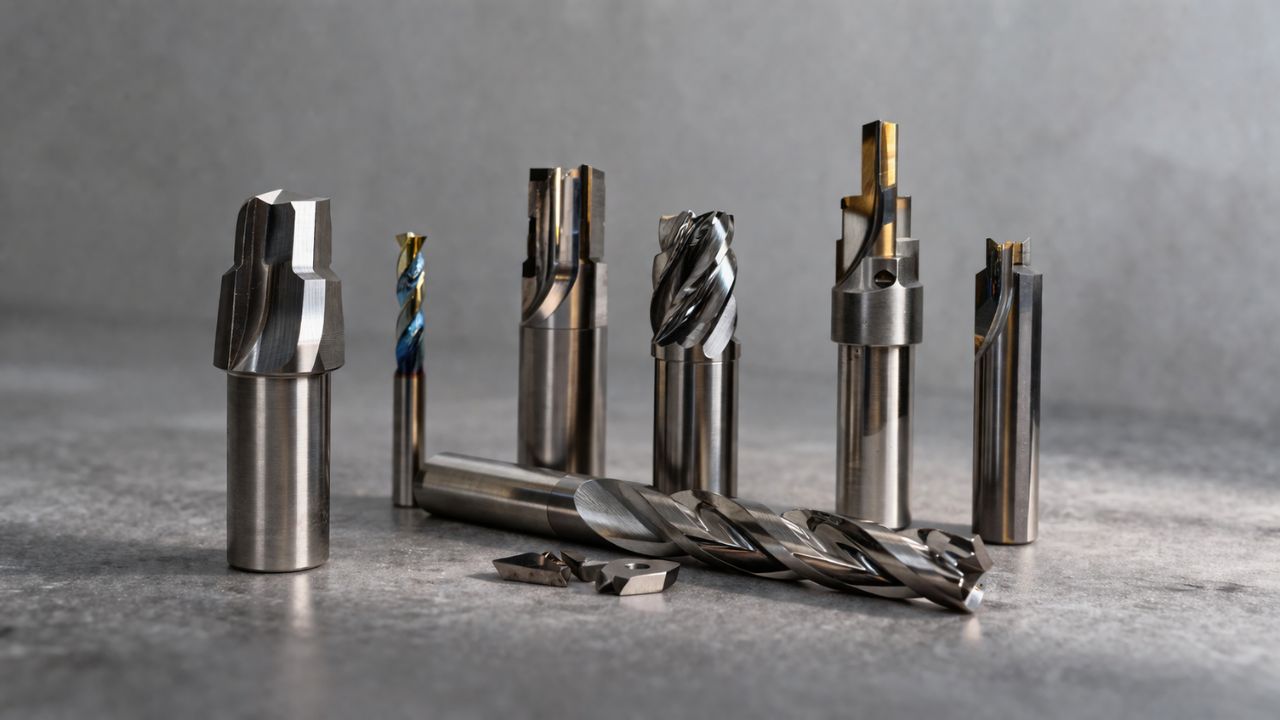
Modern CNC Carbide Components are used in tooling systems, cutting inserts, wear-resistant assemblies, drilling applications, milling operations, and industrial machine parts. Their ability to maintain dimensional stability under continuous machining conditions makes them highly valuable for precision manufacturing.
CNC industries rely on carbide components because modern production systems demand consistent machining accuracy and long operational life. Carbide materials maintain sharp cutting edges longer than traditional steel-based components, helping manufacturers reduce downtime and improve productivity.
The use of carbide technology has also improved machining speeds and surface finish quality across various industrial applications. Manufacturers can now achieve tighter tolerances and more efficient material removal processes with advanced carbide solutions.
As industries move toward high-speed and automated production systems, the role of CNC Carbide Components continues becoming more important in global manufacturing operations.
Importance of Carbide Materials in CNC Industries
The performance of CNC machining systems depends heavily on the quality of the tools and components used during production. Carbide materials have become essential because of their ability to handle demanding machining environments.
One major advantage of CNC Carbide Components is their exceptional wear resistance. During machining operations, tools experience constant friction and heat generation. Carbide materials maintain hardness even under high temperatures, reducing the rate of wear and extending operational life.
Heat resistance is another critical benefit. CNC machining often involves high-speed cutting operations that generate significant thermal stress. Carbide components remain stable under these conditions, helping maintain machining accuracy and surface quality.
Carbide materials also support higher cutting speeds compared to conventional materials. Faster machining improves production efficiency while reducing overall manufacturing time.
Another important benefit is dimensional stability. Precision industries require components capable of maintaining accurate dimensions throughout continuous operational cycles. Carbide solutions help manufacturers achieve consistent machining results across large production volumes.
These advantages make CNC Carbide Components highly valuable in industries requiring precision engineering and high-performance manufacturing systems.
CNC Machining Technology and Carbide Component Manufacturing
CNC machining technology has transformed modern industrial manufacturing by improving production accuracy, efficiency, and consistency. The manufacturing of CNC Carbide Components relies heavily on advanced CNC systems capable of handling precision engineering requirements.
Computer Numerical Control systems operate using programmed machining instructions that guide cutting, grinding, milling, and shaping operations with high accuracy. These systems help manufacturers maintain strict dimensional tolerances during carbide component production.
Carbide materials require specialized machining processes because of their hardness and wear resistance. Precision grinding and EDM machining are commonly used to achieve accurate component dimensions and smooth surface finishes.
Modern CNC systems also allow manufacturers to create customized carbide components for specific industrial applications. Flexible machining capabilities support different geometries, profiles, and dimensional requirements depending on customer needs.
Automation further improves production consistency by reducing manual intervention and minimizing the possibility of machining errors. This level of precision is especially important for industries requiring repeatable accuracy across large-scale manufacturing operations.
As CNC technologies continue advancing, manufacturers can now produce more complex carbide components while maintaining high-quality standards and operational efficiency.
Industrial Applications of CNC Carbide Components
The use of CNC Carbide Components extends across multiple industrial sectors because modern manufacturing systems require durable and high-performance machining solutions.
The automotive industry depends heavily on carbide tooling systems for engine machining, transmission component production, and precision assembly manufacturing. Carbide components improve cutting performance and support large-scale production efficiency.
Aerospace industries also rely on carbide solutions because aircraft components require extremely accurate machining and high-quality surface finishes. Carbide tooling helps maintain precision while machining difficult aerospace-grade materials.
Industrial automation systems use carbide wear-resistant parts in mechanical assemblies operating under continuous movement and friction. Durable carbide components help reduce maintenance requirements and improve operational reliability.
Medical equipment manufacturing also benefits from carbide machining solutions. Surgical tools, implants, and precision medical devices require accurate machining and smooth finishes that carbide systems help achieve consistently.
Oil and gas industries use carbide components in drilling systems, wear-resistant assemblies, and heavy-duty industrial equipment operating under harsh conditions.
The growing demand for precision manufacturing continues increasing the importance of CNC Carbide Components across global industrial markets.
Material Properties That Make Carbide Components Reliable
Carbide materials offer several properties that make them highly suitable for industrial machining and precision engineering applications.
Hardness is one of the most important characteristics of CNC Carbide Components. Carbide materials are significantly harder than standard steel, allowing them to maintain cutting performance during demanding machining operations.
Wear resistance is another major advantage. Continuous friction during machining can quickly damage conventional materials, but carbide maintains durability over extended operational periods.
Compressive strength also makes carbide suitable for high-load industrial applications. Carbide components can handle heavy operational stress without significant deformation.
Thermal stability further improves machining reliability. High-speed cutting operations generate substantial heat, yet carbide materials retain hardness and structural integrity under elevated temperatures.
Corrosion resistance is also important in industries where components are exposed to moisture, chemicals, or challenging environmental conditions.
These material properties allow carbide components to support precision machining operations while maintaining long-term operational stability and manufacturing efficiency.
Precision Engineering Standards in Thailand
Thailand’s manufacturing sector has adopted advanced engineering practices to support international industrial standards and export requirements. Precision manufacturing has become a major focus for industries involved in automotive production, aerospace engineering, and industrial machinery manufacturing.
Manufacturers producing CNC Carbide Components in Thailand focus heavily on dimensional accuracy, surface quality, and operational reliability. Advanced inspection technologies help maintain strict quality control throughout the manufacturing process.
Coordinate measuring machines, digital inspection systems, and precision testing equipment are widely used to verify dimensions and machining consistency. These systems help manufacturers maintain high production standards required by international markets.
Surface finish quality is also carefully controlled because smooth machining performance directly affects operational efficiency and component lifespan.
Thailand’s growing investment in smart manufacturing and CNC automation technologies continues strengthening the country’s position in global industrial manufacturing.
Precision engineering standards are expected to become even more important as industries continue demanding higher accuracy and more reliable machining solutions.
Challenges in Manufacturing CNC Carbide Components
Despite technological advancements, carbide component manufacturing still involves several technical challenges. Carbide materials are extremely hard, making them more difficult to machine compared to traditional industrial materials.
One major challenge in CNC Carbide Components manufacturing is achieving precise dimensions without damaging the material structure. Specialized grinding and machining processes are required to maintain accuracy while avoiding surface defects.
Tool wear during carbide machining is another concern because carbide materials themselves are highly abrasive. Manufacturers must use advanced tooling systems capable of handling these demanding machining conditions.
Maintaining consistent surface quality also requires careful machining parameter control. Incorrect speeds or feed rates may affect dimensional precision and component performance.
Another challenge involves balancing production efficiency with quality requirements. High-precision carbide manufacturing often requires additional inspection and finishing processes to maintain international quality standards.
Global competition and changing industrial requirements also push manufacturers to continuously improve machining technologies and production capabilities.
Continuous innovation in CNC systems and precision engineering practices helps manufacturers overcome these challenges while improving production reliability and operational efficiency.
Future of Carbide Components in CNC Manufacturing
The future of industrial manufacturing is closely connected with automation, high-speed machining, and advanced material technologies. CNC Carbide Components will continue playing a critical role in supporting these evolving manufacturing systems.
Artificial intelligence and smart manufacturing systems are expected to improve machining accuracy, predictive maintenance, and operational efficiency in carbide manufacturing processes.
Advanced carbide coatings and material innovations will further improve wear resistance and cutting performance for demanding industrial applications.
Automation will continue reducing production errors while supporting higher machining consistency and improved manufacturing efficiency.
Sustainable manufacturing practices are also becoming more important across global industries. Manufacturers are increasingly focusing on reducing material waste, improving energy efficiency, and adopting environmentally responsible production methods.
As industrial technologies continue advancing, carbide components will remain essential for supporting precision machining, high-speed manufacturing, and reliable industrial operations across multiple sectors.